
Get Fast HVAC Service Today

Once you submit, we may reach out to you via phone, email, or text to fetch information, which you can opt out of at any time. We will never share your personal information with third parties for marketing purposes. Consent is not a condition of purchase. Message/data rates apply.
Home / Garage Heating Air Conditioning Murrayville Ga
Boost comfort with garage heating & air conditioning in Murrayville, GA. Res Air LLC installs safe systems that ensure year-round comfort. A comfortable, functional garage requires more than a portable heater or window fan. In Murrayville, GA, where hot, humid summers and occasional chilly nights demand careful climate control, Res Air LLC provides professional garage heating and air conditioning solutions that keep your space usable year-round. Our team assesses your garage’s specific needs, recommends the right equipment for local conditions, and installs systems designed for optimal performance, safety, and energy efficiency. From proper ventilation and temperature control to protecting vehicles, tools, and finished spaces from moisture and temperature extremes, we ensure your garage is a reliable, comfortable extension of your home.
Specials
Save Big, Current Specials
Save on HVAC repairs, maintenance, and new system installations with our current limited-time offers.
Up to
$1,500 Off
On High-Efficiency HVAC System Installations
Free
Service Call with Repair
15% OFF
Repairs for Maintenance Members
Why Condition a Garage in Murrayville, GA
Conditioning a garage extends the life of stored items, improves year-round usability, and reduces moisture-related problems that are common in our climate.
- Summers in the Gainesville area can be hot and humid, which accelerates rust, damages tools, and makes working in the garage uncomfortable.
- Winters are milder than in the north but still bring cold nights that can impact pipes, batteries, and hobbies.
- Many Murrayville homeowners convert garages into workshops, gyms, hobby rooms, or finished storage, increasing the need for consistent temperature and humidity control.
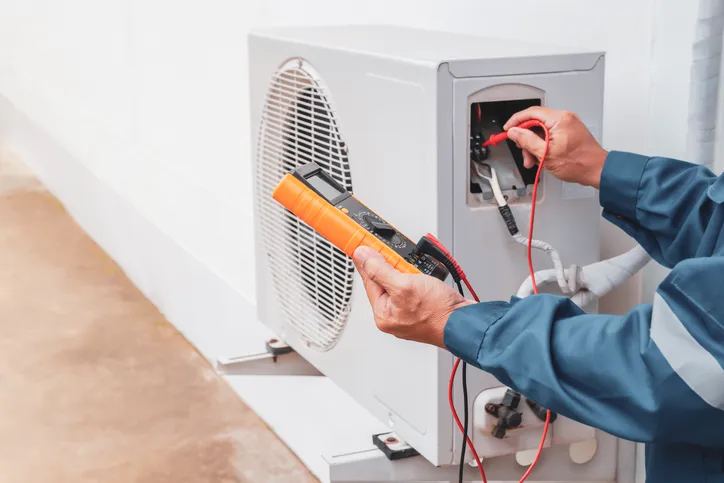
Common Garage HVAC Issues in Murrayville
- Poor insulation and unsealed garage doors are letting in heat, humidity, and pests.
- Inadequate ventilation causes high humidity, condensation on walls, and mold growth.
- Oversized or undersized equipment leading to short cycling or inability to reach set temperatures.
- Safety risks from combustion heaters used without proper ventilation or CO monitoring.
- Inefficient duct routing when attempting to use existing home HVAC ducts for the garage, creating pressure and balance problems.
Assessment: How Professionals Size and Prep Your Garage
- Measuring square footage and ceiling height to calculate required heating and cooling capacity.
- Inspecting insulation levels in walls, ceiling, and garage door; checking for gaps, damaged weatherstripping, and uninsulated overhead doors.
- Evaluating intended use (workshop, finished space, conditioned storage) and occupancy patterns, which influence thermostat placement and capacity needs.
- Checking existing electrical and gas services to determine feasible equipment options and any needed upgrades.
- Ductless Mini-Splits: Highly popular for garages because they provide both efficient cooling and heating without ductwork. Mini-splits are ideal for spaces with limited retrofit options and offer zoning flexibility to control only the spaces you use.
- Packaged Units: Suitable if you have space for rooftop or wall-mounted packaged HVAC, and when a single unit can serve a detached or large attached garage. These units can be economical for consistent duty.
- Electric Heaters: Simple to install and safe in enclosed garages, electric baseboard or wall heaters are effective for supplemental heat in mild Murrayville winters. They do require adequate electrical capacity and are best paired with an efficient cooling strategy.
- Gas Heaters: Provide fast, economical heat for longer cold spells, but must be installed with proper combustion venting and CO detection. Gas options are a strong choice if the garage will be used as a workshop in colder months.
- Combined Systems: For garages attached to conditioned living space, integrating the garage into the home HVAC with proper balancing, transfers, and enhanced filtration can work—but requires careful design to avoid pressure issues and maintain indoor air quality.
- Prepare the Envelope: Upgrade insulation, seal gaps, and fit weatherstripping on doors and windows to reduce load and improve performance.
- Electrical and Gas Work: Upgrade circuits or install a gas line as required by the chosen equipment. Licensed professionals handle all code-required connections and permits.
- Mounting and Lineset Work: For ductless mini-splits, installers mount the indoor head(s) and run a refrigerant lineset and condensate drain to the outdoor compressor. For packaged units, the unit placement and duct planning are executed.
- Ventilation and Exhaust: Install or upgrade ventilation to control humidity and provide fresh air, especially in workshops with paint or chemical use.
- Controls and Commissioning: Set up thermostats, confirm refrigerant charge and airflow, balance systems, and demonstrate basic operation. Final checks ensure the system reaches set points and operates efficiently in Murrayville climate conditions.
- Combustion Safety: Any gas-fired heater needs proper combustion air, sealed venting, and a professional combustion analysis. Always pair combustion appliances with carbon monoxide detection, particularly in attached garages.
- Moisture Control: High summer humidity in Murrayville requires adequate ventilation and possibly a dehumidification strategy to prevent condensation on metal tools and vehicles.
- Make-Up Air and Exhaust: Workshops that use strong chemicals, paints, or produce dust should have dedicated ventilation and filtration. Exhaust fans routed properly help protect indoor air quality.
- Electrical Safety: Ensure all outlets and circuits in the garage comply with local codes, especially for circuits supplying heaters or HVAC equipment.
- Insulate the garage door and seal perimeter gaps; this one step reduces cooling load significantly in hot months.
- Use a programmable or smart thermostat to avoid conditioning the garage when unoccupied.
- Opt for high-efficiency mini-split systems with variable-speed compressors for better part-load performance during mild seasons.
- Add a thermal barrier or radiant barrier to ceilings in unconditioned attics above garages to reduce heat transfer.
- Consider zoning or local heating for seldom-used garages to avoid conditioning unused space.
- Seasonal Tune-Ups: Annual cooling and heating inspections ensure coils are clean, refrigerant levels are correct, and combustion systems are operating safely.
- Filter and Condensate Checks: Replace filters regularly and keep condensate drains clear to prevent water damage or microbial growth.
- Door and Seal Inspections: Recheck weatherstripping, thresholds, and door insulation each season for wear from humidity and temperature swings.
- Safety Checks: Test carbon monoxide detectors, gas connections, and exhausting vents annually. For garages used as workshops, add periodic indoor air quality assessments if chemicals or solvents are present.
- Performance Reviews: If comfort or humidity issues persist, reassess insulation and system sizing rather than increasing thermostat set points.
Reviews
What Our Customers Say
Recommended Equipment Options
- Ductless Mini-Splits: Highly popular for garages because they provide both efficient cooling and heating without ductwork. Mini-splits are ideal for spaces with limited retrofit options and offer zoning flexibility to control only the spaces you use.
- Packaged Units: Suitable if you have space for rooftop or wall-mounted packaged HVAC, and when a single unit can serve a detached or large attached garage. These units can be economical for consistent duty.
- Electric Heaters: Simple to install and safe in enclosed garages, electric baseboard or wall heaters are effective for supplemental heat in mild Murrayville winters. They do require adequate electrical capacity and are best paired with an efficient cooling strategy.
- Gas Heaters: Provide fast, economical heat for longer cold spells, but must be installed with proper combustion venting and CO detection. Gas options are a strong choice if the garage will be used as a workshop in colder months.
- Combined Systems: For garages attached to conditioned living space, integrating the garage into the home HVAC with proper balancing, transfers, and enhanced filtration can work—but requires careful design to avoid pressure issues and maintain indoor air quality.
Installation Process: What to Expect
- Prepare the Envelope: Upgrade insulation, seal gaps, and fit weatherstripping on doors and windows to reduce load and improve performance.
- Electrical and Gas Work: Upgrade circuits or install a gas line as required by the chosen equipment. Licensed professionals handle all code-required connections and permits.
- Mounting and Lineset Work: For ductless mini-splits, installers mount the indoor head(s) and run a refrigerant lineset and condensate drain to the outdoor compressor. For packaged units, the unit placement and duct planning are executed.
- Ventilation and Exhaust: Install or upgrade ventilation to control humidity and provide fresh air, especially in workshops with paint or chemical use.
- Controls and Commissioning: Set up thermostats, confirm refrigerant charge and airflow, balance systems, and demonstrate basic operation. Final checks ensure the system reaches set points and operates efficiently in Murrayville climate conditions.
Ventilation and Safety Considerations
- Combustion Safety: Any gas-fired heater needs proper combustion air, sealed venting, and a professional combustion analysis. Always pair combustion appliances with carbon monoxide detection, particularly in attached garages.
- Moisture Control: High summer humidity in Murrayville requires adequate ventilation and possibly a dehumidification strategy to prevent condensation on metal tools and vehicles.
- Make-Up Air and Exhaust: Workshops that use strong chemicals, paints, or produce dust should have dedicated ventilation and filtration. Exhaust fans routed properly help protect indoor air quality.
- Electrical Safety: Ensure all outlets and circuits in the garage comply with local codes, especially for circuits supplying heaters or HVAC equipment.
Energy-Efficiency Tips for Murrayville Garages
- Insulate the garage door and seal perimeter gaps; this one step reduces cooling load significantly in hot months.
- Use a programmable or smart thermostat to avoid conditioning the garage when unoccupied.
- Opt for high-efficiency mini-split systems with variable-speed compressors for better part-load performance during mild seasons.
- Add a thermal barrier or radiant barrier to ceilings in unconditioned attics above garages to reduce heat transfer.
- Consider zoning or local heating for seldom-used garages to avoid conditioning unused space.
Maintenance Plans to Keep a Conditioned Garage Comfortable Year-Round
- Seasonal Tune-Ups: Annual cooling and heating inspections ensure coils are clean, refrigerant levels are correct, and combustion systems are operating safely.
- Filter and Condensate Checks: Replace filters regularly and keep condensate drains clear to prevent water damage or microbial growth.
- Door and Seal Inspections: Recheck weatherstripping, thresholds, and door insulation each season for wear from humidity and temperature swings.
- Safety Checks: Test carbon monoxide detectors, gas connections, and exhausting vents annually. For garages used as workshops, add periodic indoor air quality assessments if chemicals or solvents are present.
- Performance Reviews: If comfort or humidity issues persist, reassess insulation and system sizing rather than increasing thermostat set points.
Make Your Garage Usable Year-Round
Take control of your garage comfort with professional heating and air conditioning solutions in Murrayville, GA, designed for year-round usability. At Res Air LLC, our team assesses your space, recommends the right equipment—whether a ductless mini-split, packaged unit, or gas heater—and handles installation, ventilation, and safety checks to ensure reliable performance.
Service Areas
HVAC Services in Gainesville, GA & Surrounding Areas
We provide expert heating, cooling, and indoor air quality services across Gainesville, GA and nearby communities — delivering fast, reliable comfort you can count on.
Blog
HVAC Tips, Maintenance & Energy Savings
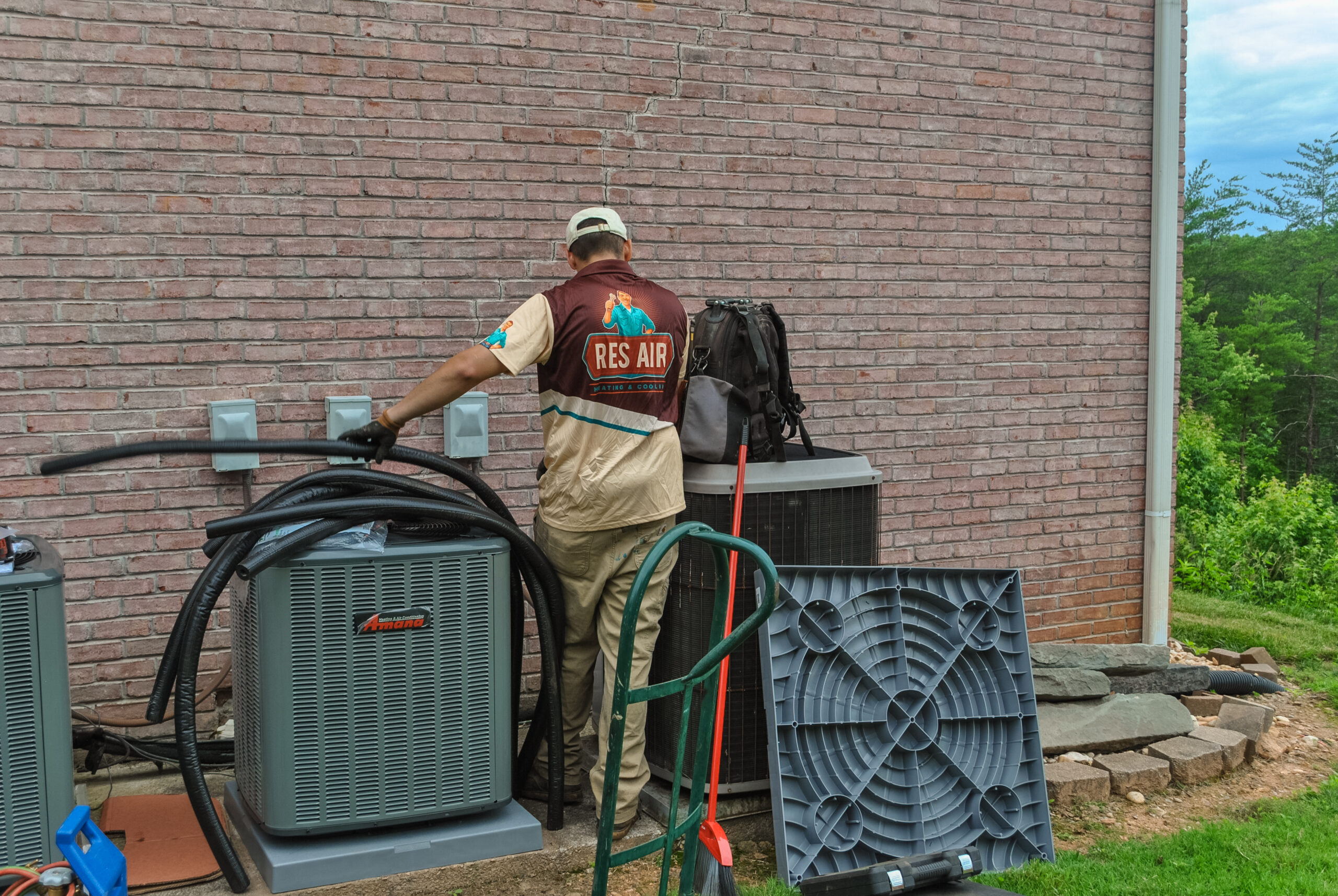
How Often Should an Air Conditioner Be Professionally Maintained?
Call 770-902-3787 It’s one of the most common questions we hear at the kitchen table, usually right after someone’s AC has given them a good
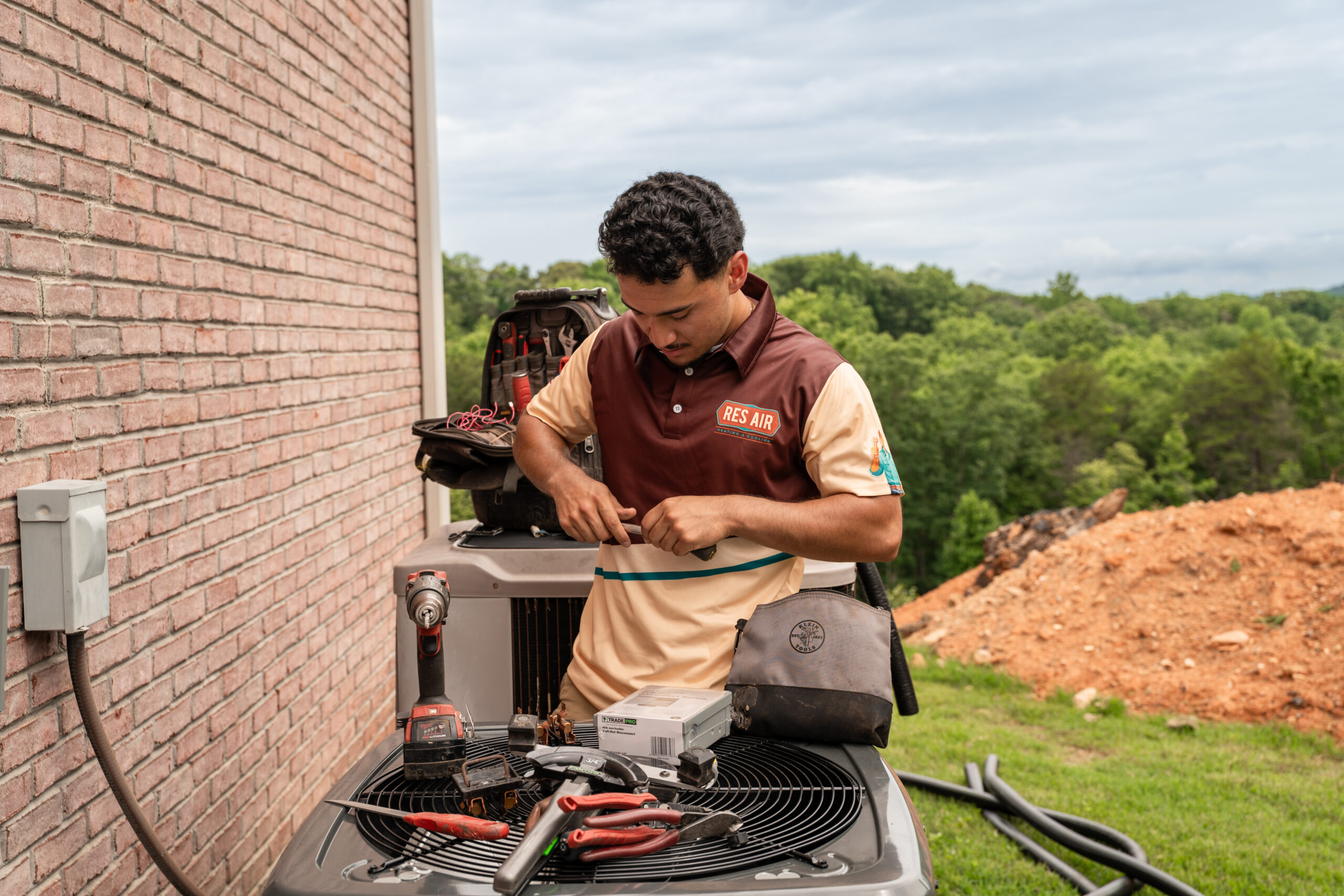
What Causes Sudden Air Conditioning Failures and How Are They Fixed?
Call 770-902-3787 There’s nothing quite like that sinking feeling of walking into a warm house in the middle of July and realizing the AC has
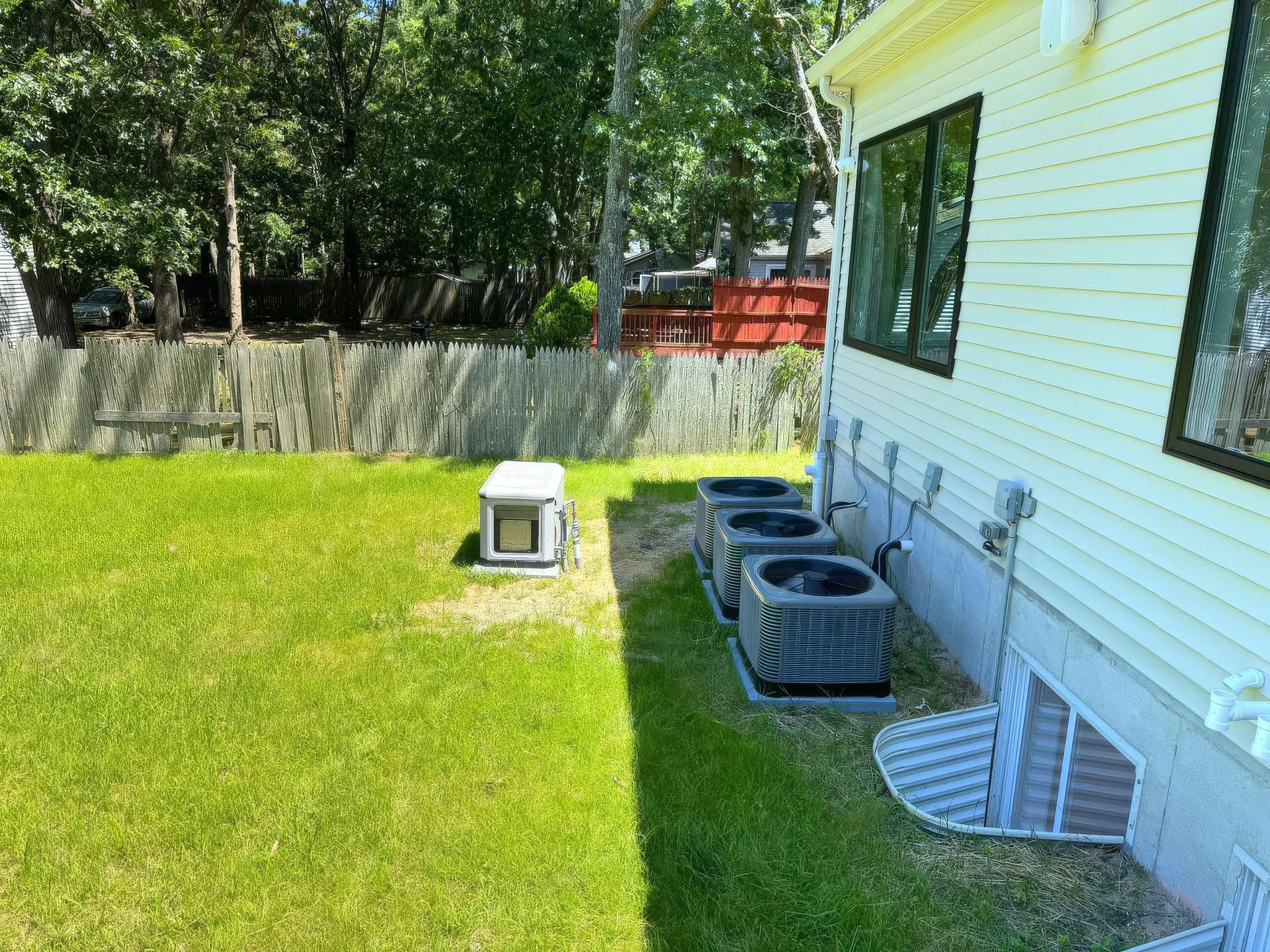
Understanding HVAC Systems
Call 770-902-3787 Heating and cooling systems are at the heart of every comfortable home, yet many homeowners don’t fully understand how these systems work or
How Often Should an Air Conditioner Be Professionally Maintained?
Call 770-902-3787 It’s one of the most common questions we hear at the kitchen table, usually right after someone’s AC has given them a good
What Causes Sudden Air Conditioning Failures and How Are They Fixed?
Call 770-902-3787 There’s nothing quite like that sinking feeling of walking into a warm house in the middle of July and realizing the AC has
How Often Should an Air Conditioner Be Professionally Maintained?
Call 770-902-3787 It’s one of the most common questions we hear at the kitchen table, usually right after someone’s AC has given them a good